
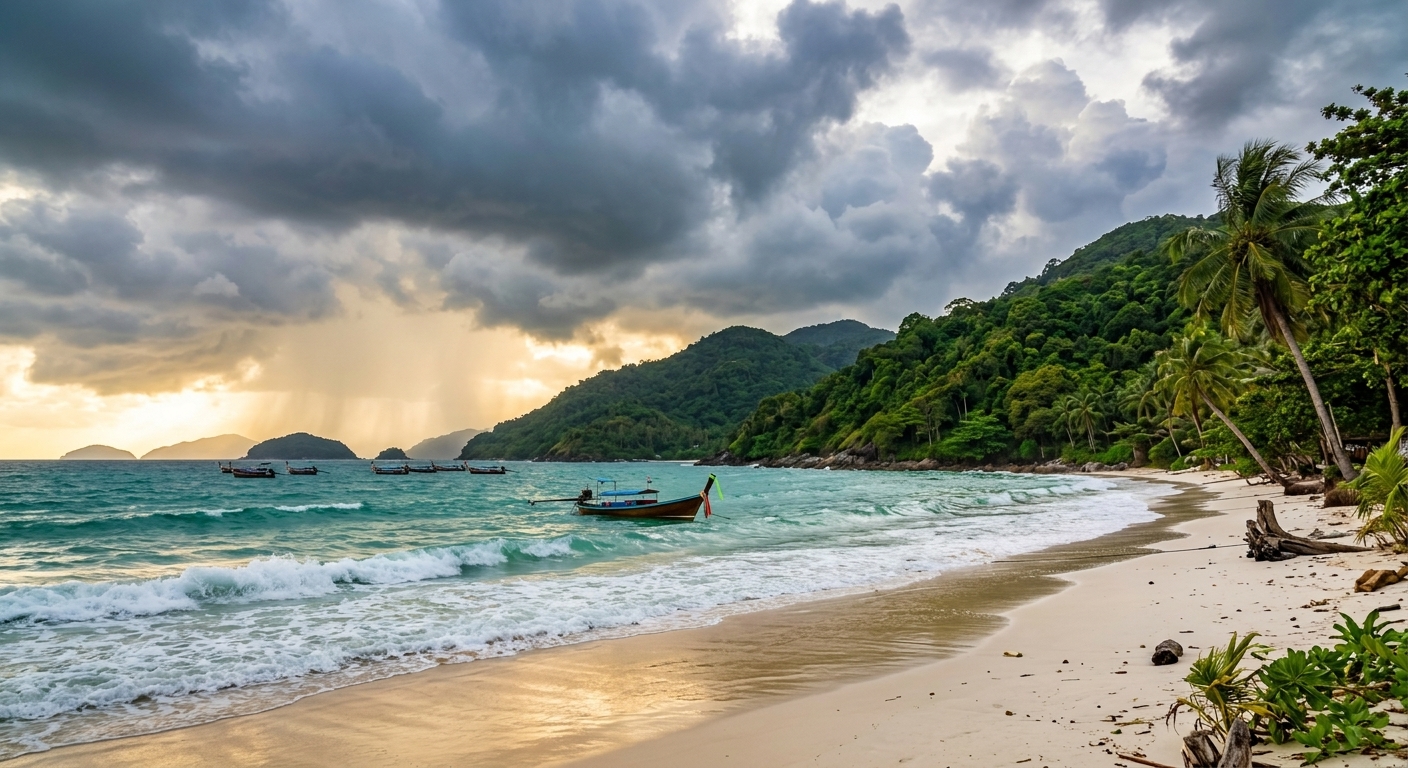
Phuket in the Rain: The Truth About Low Season Travel and Why It’s Still Worth Coming
The Myth That’s Keeping Travellers Away From Phuket
Ask most people about visiting Phuket between May and October and you’ll hear the same thing: “Isn’t that the rainy season? Isn’t everything closed?” It’s one of the most persistent travel myths about Thailand. The truth about Phuket low season rainy season travel is quite different — and honestly, a little surprising.
Yes, it rains more often during these months. But “rainy season” in Phuket rarely means days of solid downpour. Typically, you’ll get a heavy shower in the late afternoon, followed by a clear evening and a cooler, fresher morning. Life goes on. Restaurants fill up. Beaches still exist. Tours still run.
If you’ve been putting off a Phuket holiday because of the calendar, this post is for you.
What Low Season Actually Looks Like on the Ground
Phuket’s low season runs roughly from mid-May through to October. During this period, the southwest monsoon brings higher humidity and more frequent rainfall, particularly in the afternoons and evenings. However, mornings are often perfectly clear and sunny.
Importantly, the rain is rarely the all-day, holiday-ruining kind that people imagine. Most visitors are genuinely surprised by how much they can fit into a day. The scenery also transforms — the hills turn an almost electric shade of green, waterfalls come alive, and the whole island feels lush and alive in a way that the dry season simply can’t match.
Crowds thin out considerably, too. You’ll find shorter queues, quieter beaches, and a more relaxed atmosphere overall. For travellers who find peak-season Phuket a little overwhelming, low season can feel like a completely different destination.
Lower Prices, More Space, Better Value
One of the biggest practical benefits of Phuket low season rainy season travel is cost. Hotels, villas, and tour operators typically reduce their rates during this period, sometimes significantly. While we won’t publish fixed prices here — rates shift with season and supplier conditions — the general pattern is clear: you get more for your money in the low season.
Booking a private speedboat or a luxury catamaran in May or June will almost always cost less than the same trip in December. Similarly, accommodation that’s fully booked and expensive in January may have excellent availability and better rates in September. If you have flexibility in your travel dates, low season is genuinely worth considering.
Which Tours Still Run During the Rainy Season?
This is the question most travellers really want answered. The good news is that the majority of Phuket’s most popular tours continue to operate throughout the low season, subject to daily weather and sea conditions.
Phi Phi Islands and Maya Bay
Phi Phi Islands tours run year-round, and the route to Maya Bay is typically accessible even during wetter months. The sea can be choppier on some days, but experienced operators monitor conditions closely and will reschedule if it’s genuinely unsafe. Speedboat day trips to Phi Phi, Maya Bay, and Bamboo Island remain one of the most popular low-season choices, and for good reason — the islands are quieter and the water is still beautiful.
Do note that swimming at Maya Bay is not permitted — knee-depth wading only — and reef-safe sunscreen is required on all marine tours. These rules apply year-round.
Phang Nga Bay and James Bond Island
Phang Nga Bay is actually one of the best low-season destinations in the region. The bay is sheltered, which means sea conditions are generally calmer than on the open Andaman. The dramatic limestone karsts look extraordinary under moody skies. A Phang Nga Bay and James Bond Island tour by speed catamaran is a reliable choice at almost any time of year.
Land Adventures and Activities
Land-based tours are largely unaffected by the weather and run throughout the low season. In fact, some activities — like ziplining through the jungle canopy — are arguably more atmospheric when the forest is at its greenest. Flying Hanuman zipline in Kathu is a brilliant full-day option that doesn’t depend on sea conditions at all.
Similarly, white-water rafting actually benefits from the wet season — higher water levels make for a more exciting run. ATV, rafting, and flying fox day trips are popular choices for travellers who want adventure without worrying about the ocean.
What Closes During Low Season? The Similan and Surin Islands
It’s important to be honest here. The one significant closure during Phuket low season rainy season travel is the Similan and Surin Islands. These national marine parks officially close each year around mid-May and reopen in mid-October. The closure exists to protect the reef ecosystems and allow them to recover — it’s a conservation measure, not just a weather precaution.
If snorkelling the Similans is on your bucket list, you’ll need to plan your trip for the high season (roughly November to April). Similan Island tours by luxury yacht catamaran are spectacular during those months and absolutely worth planning around.
Exact opening and closing dates can vary slightly from year to year depending on the National Park Authority’s decision. We always recommend checking current conditions with the PDC team before finalising your plans.
The PDC Weather Guarantee: What Happens If a Tour Gets Cancelled?
This is something that genuinely sets a good DMC apart from a booking platform. When you book with Phuket Dream Company, if a tour is cancelled due to weather or unsafe sea conditions, you’re entitled to a full refund or a reschedule. You’re not left out of pocket because the sea was rough.
That’s a meaningful assurance during the low season. It means you can book with confidence, knowing that if conditions don’t cooperate, you won’t lose your money. You can read the full details on the tour cancellation and refund policy page.
Low Season Is Ideal for Certain Types of Traveller
Not every holiday style suits every season. But Phuket low season rainy season travel is particularly well-suited to a few types of visitor.
Budget-conscious travellers will find the most value during these months, with better hotel rates and more competitive tour pricing. Couples and honeymooners often love the quieter beaches and more intimate atmosphere — a sunset cruise feels quite different when you’re not sharing it with a hundred other people. Adventure seekers benefit from lush jungle conditions and higher rivers. And repeat visitors who know Phuket well often say the low season is their favourite time — it feels more like the “real” Thailand.
Practical Tips for Visiting Phuket in the Rainy Season
A few simple adjustments make a real difference to your low-season experience. Plan outdoor activities and boat trips for the morning — conditions are typically calmer and clearer before midday. Keep afternoons flexible so that a sudden shower doesn’t derail your plans. Pack a light waterproof layer and a compact umbrella; you’ll use them occasionally but won’t need to carry heavy wet-weather gear.
Choose accommodation with covered outdoor areas or a pool — an afternoon shower becomes quite pleasant when you’re relaxing under a sala with a cold drink. And embrace the rhythm of the season rather than fighting it.
Let the PDC Team Help You Plan the Right Trip
Every low-season trip is a little different depending on exactly when you’re travelling, what you want to do, and how flexible your schedule is. The Phuket Dream Company team knows current conditions, which operators are running reliably, and how to build an itinerary that makes the most of whatever the weather offers.
Whether you’re planning a family holiday, a couple’s getaway, or a group adventure, we can put together a programme that works — not despite the season, but because of it. Reach out to the PDC team on WhatsApp and let’s start planning something genuinely worth looking forward to.
Phuket low season rainy season travel isn’t a compromise. For the right traveller, it’s actually the smarter choice.